
How to Choose the Right Yarn for Knitting
Knitting is not just a hobby; it’s a form of art that allows you to express your creativity through fabric. However, one of the most crucial decisions you will make as a knitter is selecting the right yarn. With countless options available, from fiber types to colors and textures, it can be overwhelming. This guide will help you navigate the world of yarn, ensuring you choose the perfect material for your next project.
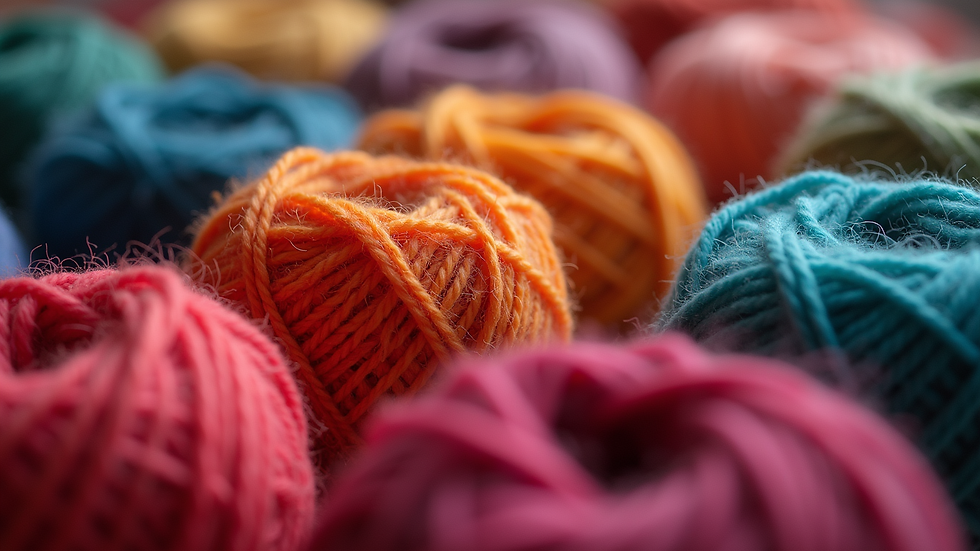
Understanding Yarn Fibers
The first step in choosing the right yarn is understanding the different types of fibers available. Each fiber has unique properties that affect the look, feel, and durability of your finished project.
Natural Fibers
Natural fibers are derived from plants or animals and are known for their breathability and comfort. Here are some common types:
Wool: This is the most popular knitting fiber. It is warm, elastic, and has excellent stitch definition. Merino wool, in particular, is soft and suitable for garments worn next to the skin.
Cotton: Cotton yarn is lightweight and breathable, making it ideal for summer garments and dishcloths. It has a smooth texture but lacks the elasticity of wool.
Linen: Made from the flax plant, linen yarn is strong and durable. It has a unique texture and drapes beautifully, perfect for lightweight summer projects.
Silk: Silk yarn is luxurious and has a beautiful sheen. It drapes well and is often used for shawls and delicate garments.
Synthetic Fibers
Synthetic fibers are man-made and often designed to mimic the properties of natural fibers. They can be more affordable and easier to care for.
Acrylic: Acrylic yarn is versatile, lightweight, and comes in a vast array of colors. It is easy to wash and dry, making it a popular choice for beginners.
Nylon: Often blended with other fibers, nylon adds strength and durability. It is commonly used in sock yarns.
Polyester: This fiber is often used in blends to enhance the durability and washability of yarn. It can be soft and is often used in baby garments.
Yarn Weight
Yarn weight refers to the thickness of the yarn and significantly impacts the final outcome of your project. Here’s a breakdown of common yarn weights:
Lace: Very thin and delicate, used for intricate patterns and shawls.
Fingering: Slightly thicker than lace, ideal for lightweight garments and accessories.
Sport: A medium weight that works well for sweaters and baby items.
Worsted: A popular choice for many projects, it provides warmth and structure.
Bulky: Thick and quick to knit, perfect for cozy blankets and winter wear.
Super Bulky: The thickest yarn, ideal for fast projects like chunky scarves.
Choosing the right yarn weight is essential for achieving the desired look and feel of your project. Always check the pattern for recommended yarn weight.
Yarn Texture
The texture of the yarn can dramatically affect your knitting experience and the final appearance of your project. Here are some common textures:
Smooth: Smooth yarns are easy to work with and provide excellent stitch definition, making them ideal for intricate patterns.
Boucle: This textured yarn has loops that create a unique look. It can be challenging to work with, so it’s best for experienced knitters.
Chenille: Soft and plush, chenille yarn is great for blankets and stuffed animals but can be difficult to frog (rip out).
Textured Blends: Many yarns combine different textures, offering unique visual effects. These can add depth to your projects.
Color Selection
Choosing the right color can elevate your project from ordinary to extraordinary. Consider the following tips when selecting yarn colors:
Color Theory: Understanding basic color theory can help you choose complementary colors. For example, colors opposite each other on the color wheel create contrast.
Variegated vs. Solid: Variegated yarns have multiple colors, which can create interesting patterns. Solid colors are versatile and allow for intricate stitch work to shine.
Swatching: Always knit a swatch with your chosen yarn to see how the color looks in your pattern. Lighting can change how colors appear, so check your swatch in different light conditions.
Yarn Care
Different yarns require different care methods. Understanding how to care for your yarn will ensure your finished project lasts. Here are some care tips:
Wool: Hand wash in cold water and lay flat to dry. Avoid hot water, which can cause felting.
Cotton: Machine washable, but it may shrink. Always check the label.
Acrylic: Very easy to care for; machine wash and dry.
Silk and Linen: Hand wash and lay flat to dry to maintain their texture and shape.
Budget Considerations
Yarn prices can vary significantly based on fiber content, brand, and quality. Here are some tips for budgeting your yarn purchases:
Set a Budget: Determine how much you are willing to spend on yarn before shopping. This will help narrow down your options.
Look for Sales: Many yarn shops offer sales or discounts, especially during holidays. Take advantage of these opportunities.
Consider Yarn Substitutions: If a pattern calls for an expensive yarn, look for more affordable alternatives with similar weight and fiber content.
Choosing Yarn for Specific Projects
Different projects require different types of yarn. Here are some recommendations based on common knitting projects:
Sweaters: Choose a worsted or bulky weight yarn for warmth and structure. Wool blends are excellent for durability.
Scarves and Shawls: Lighter yarns like cotton or silk work well for drapey accessories. Consider using a variegated yarn for added interest.
Baby Items: Soft, washable yarns like acrylic or cotton are ideal for baby garments. Look for hypoallergenic options.
Blankets: Bulky yarns are perfect for quick, cozy blankets. Choose a soft fiber for comfort.
Conclusion
Choosing the right yarn for knitting is a crucial step that can make or break your project. By understanding the different types of fibers, weights, textures, and care requirements, you can select the perfect yarn for your needs. Remember to consider your project type, budget, and personal preferences when making your choice. Happy knitting!
Now that you have the knowledge to choose the right yarn, it’s time to gather your materials and start your next knitting adventure. Whether you’re creating a cozy sweater or a delicate shawl, the right yarn will help you bring your vision to life.


Comments